
Gender and immunization
Why does gender matter for immunization?
Gender-related barriers and gender inequality can prevent people, both male and female, from getting vaccinated. The goal of gender equity is to ensure that everyone has the same chances and opportunities to access and benefit from immunization services.
Gender impacts immunization both on the demand side, through people’s health seeking behaviours, and on the supply side provision of health services. By applying knowledge about gender and taking action to design gender-responsive interventions it is possible to implement more effective immunization programmes and increase coverage for all.
WHO is working with countries and partners to address gender-related barriers to healthcare and to implement programmes, services and policies that promote gender equality.
Resources
Why Gender Matters : Immunization Agenda 2030
Critical Sex and Gender Considerations for Equitable Research, Development and Delivery...
Gender and COVID-19: Advocacy brief
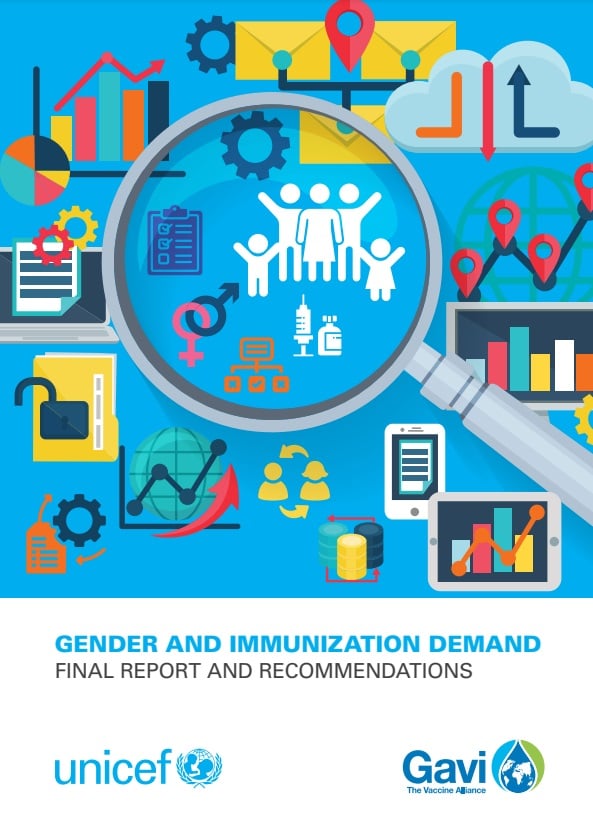
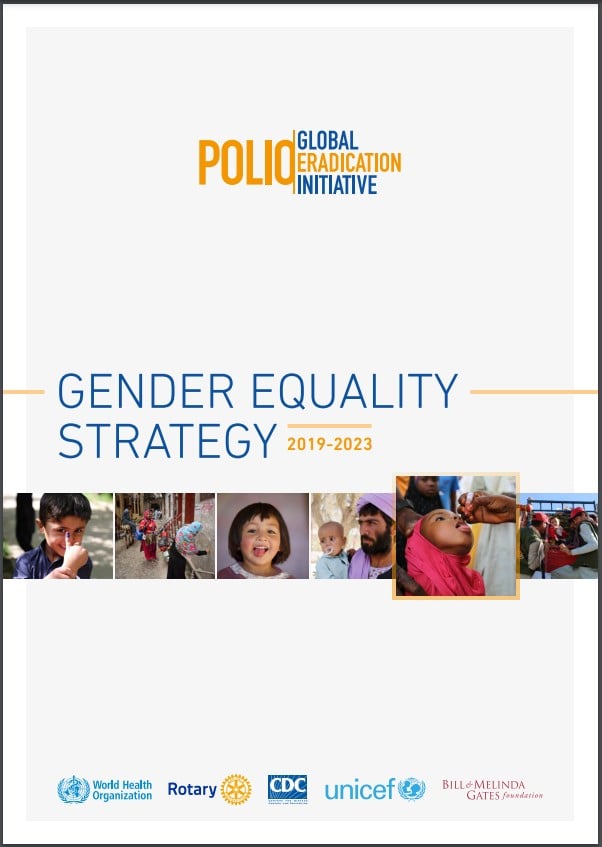
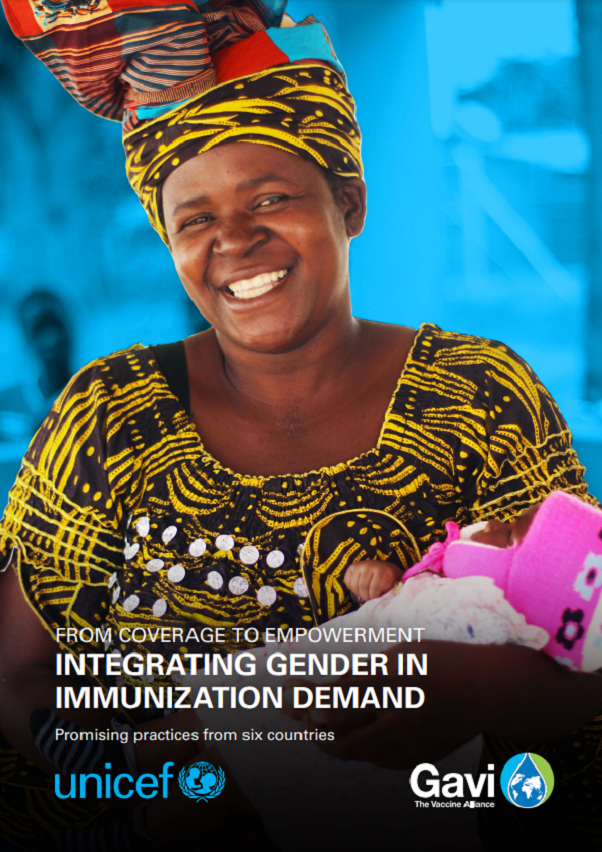
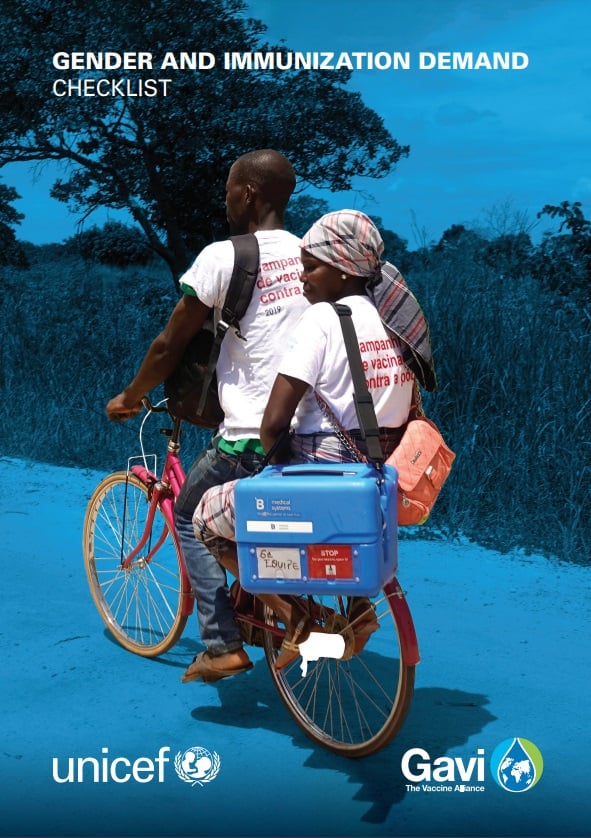
Webinar series
Integrating a Gender Lens into Immunization Programming is a self-paced online course developed to build the gender capacity of WHO staff and external health and development professionals, and strengthen the understanding of how to meaningfully integrate gender considerations into immunization programming.
The course was developed and validated by the GenderPro team at the Global Women’s Institute at George Washington University in collaboration with WHO, UNICEF, and Gavi, the Vaccine Alliance.
The course is offered in English and French and is free to enroll.
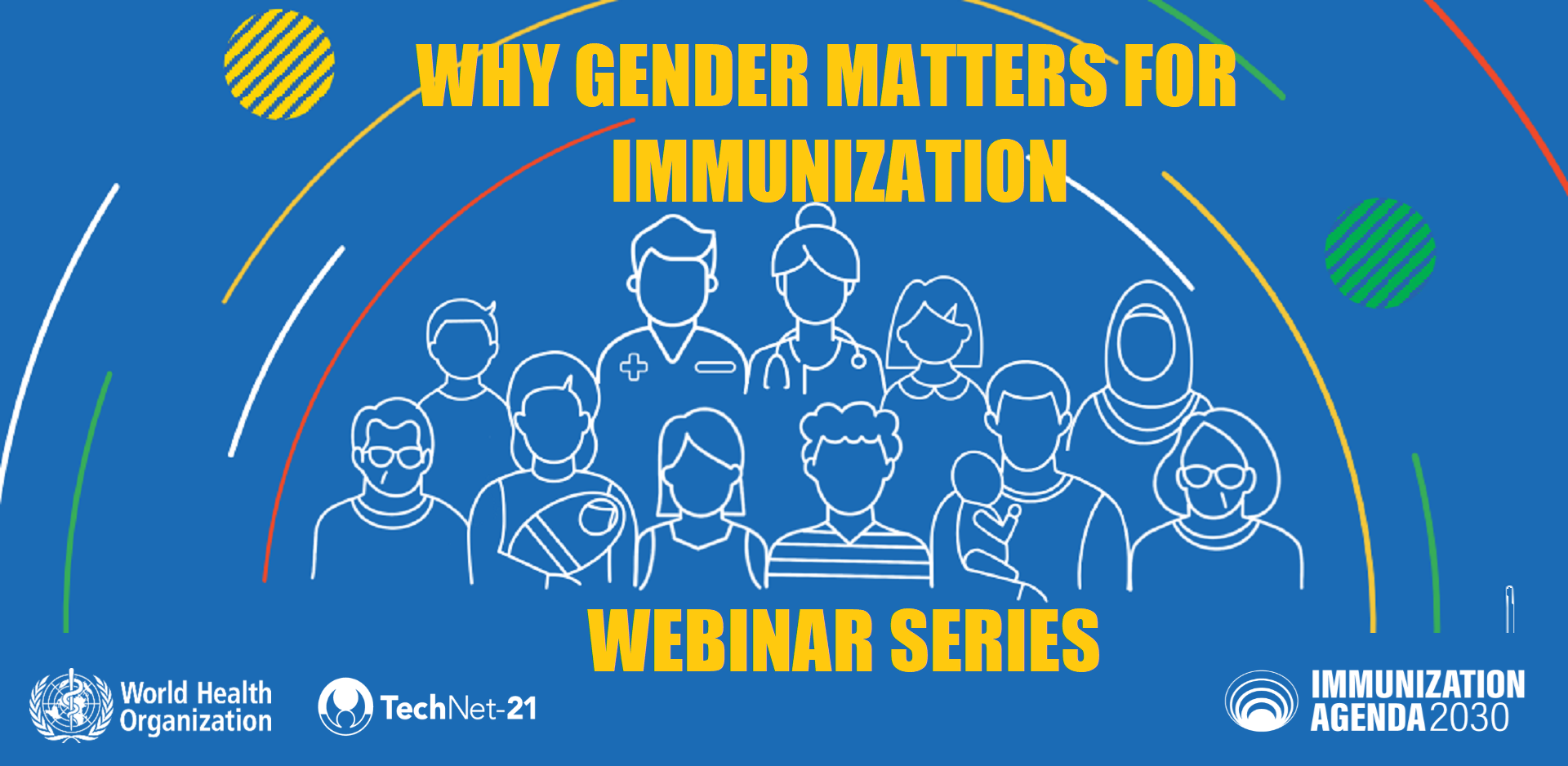
The Why Gender Matters webinar series aims to improve awareness and understanding of how gender-related barriers impact immunization and to showcase examples of gender-responsive programming to improve coverage and equity.
All materials and recordings are available here.