Foodborne Disease Estimates
Pathogenic agents in food, whether they are microbial (such as viruses, bacteria and parasites) or chemical (from toxins and heavy metals to pesticide residues and veterinary drugs) carry risks to human health.
The World Health Assembly (WHA), through Resolution WHA73.5, mandated the World Health Organization (WHO) to regularly monitor and report to Member States on the global burden of foodborne and zoonotic diseases at national, regional, and international levels and measure the impact of the WHO Global Strategy for Food Safety 2022-2030.
In 2006, the WHO initiative to estimate the global burden of foodborne diseases was launched, and in 2007 WHO established the technical advisory group Foodborne Disease Burden Epidemiology Reference Group (FERG) to advise WHO on the methodology to estimate the global burden of foodborne diseases.
Download the latest estimates
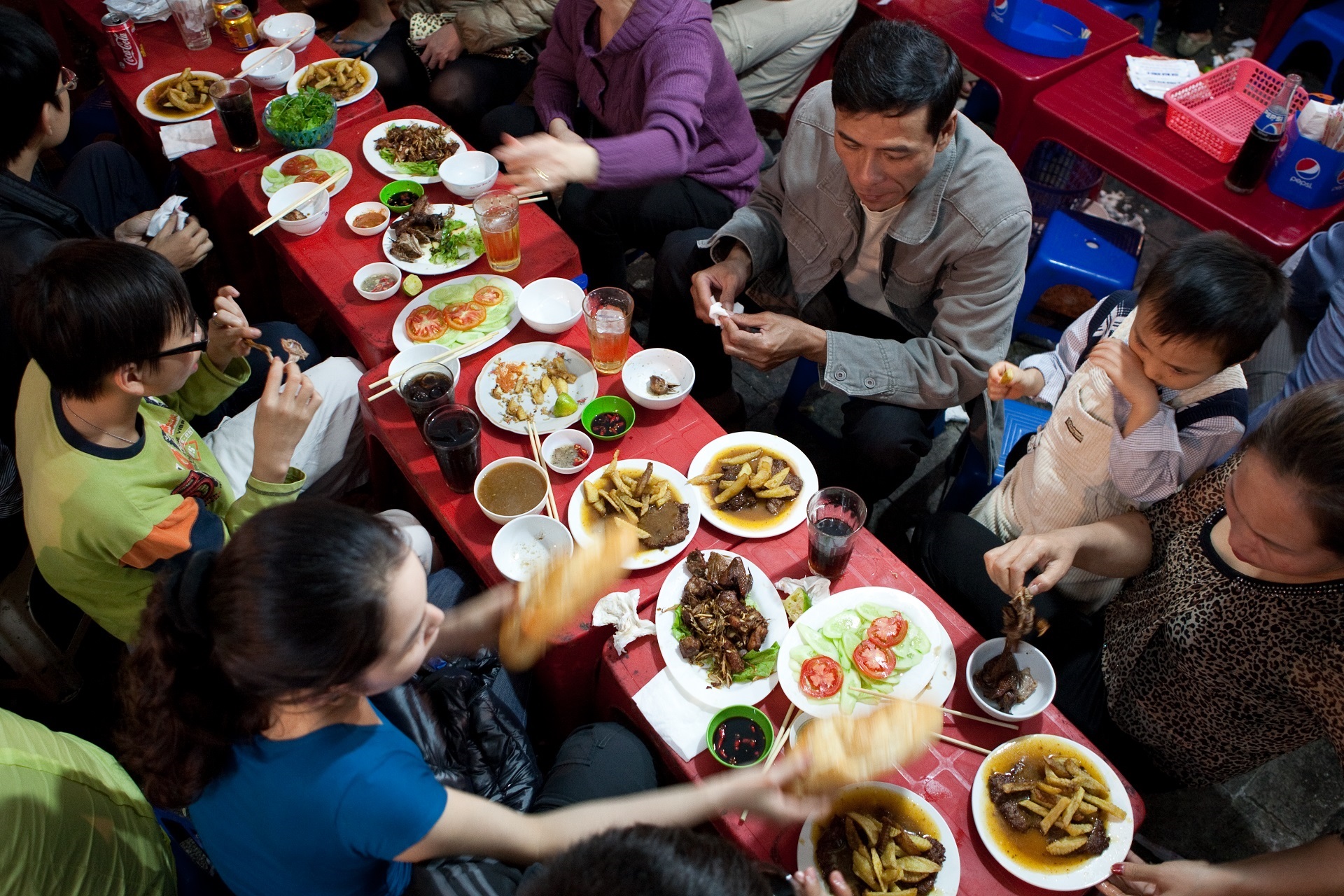
Street food in Viet Nam.
Other available related materials and tools
This handbook provides detailed guidance on assessing the burden of diseases caused by microbiological agents commonly transmitted through foods. It is...
WHO estimates of the global burden of foodborne diseases: foodborne diseases burden epidemiology reference...
The report presents the first global and regional estimates of the burden of foodborne diseases. The large disease burden from food highlights the importance...
/nutrition-and-food-safety-(nfs)/monitoring-nutritional-status-food-safety-events-(mnf)/plos-thumbnail-cover.jpg?sfvrsn=f907f1ca_1 "PLOS thumbnail cover")